Blow moulding
The stretch blow moulder is leveled, with high-pressure air, chilled water for the mould and the preform hopper and heating oven connected. Mould changes and bottle neck handling are tested.
We install and commission PET lines from the blow moulder through filler, capper, labeller and conveyors to the packing end.
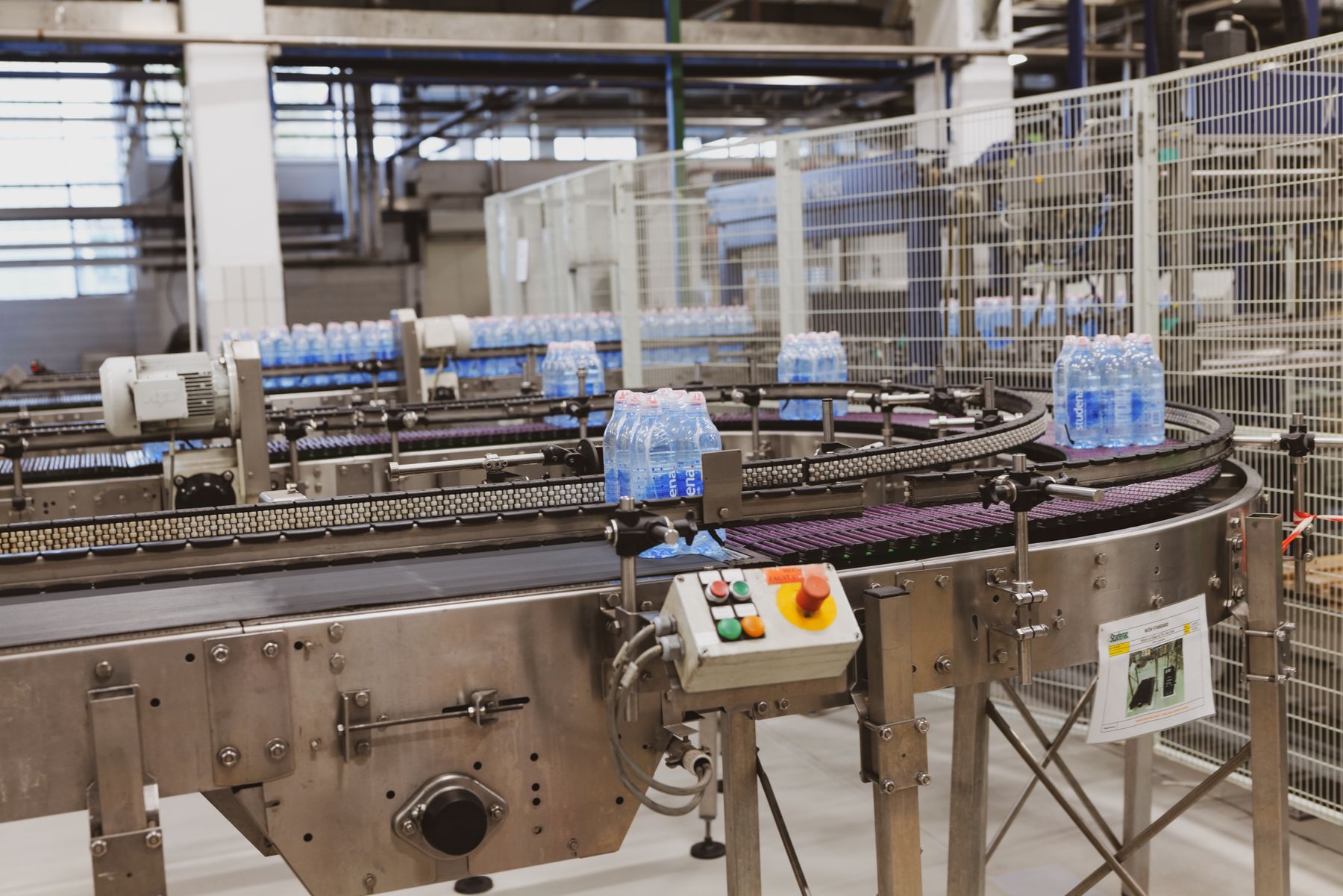
A PET filling line is several machines that must behave as one. The blow moulder makes bottles, air conveyors or unscramblers move them, the filler and capper work at matched speeds, and the labeller and packers follow. If one unit is mispositioned, bottles jam, fall or starve the next machine.
We handle line layout on the floor, positioning of each machine, leveling, conveyor alignment and the connection of power, air, water, CIP and product pipes. After that we commission each unit and then the whole line together, with buffers and sensors tuned so the line runs without constant intervention.
We can also supply contract engineers and technicians for the install phase.
Each unit has its own utilities and checks before the line is linked.
The stretch blow moulder is leveled, with high-pressure air, chilled water for the mould and the preform hopper and heating oven connected. Mould changes and bottle neck handling are tested.
The filler is leveled to its datum, with product, CIP and air lines connected. Cap feeder, chute and capping heads are timed to the bottle flow and torque tested.
The labeller is aligned to the conveyor height and bottle spacing, with the label reels and glue or sleeve system set for the bottle shape.
Conveyor sections are aligned in height and straightness, guide rails are set to bottle diameter, and sensors and buffers are tuned for smooth flow.
Filling plants have stricter site needs than most machinery. Floors need drainage and a washable finish, and compressed air, water and electrical supply must match the combined demand of every unit. We review these against the layout before machines come off the trucks, and flag gaps early.
A line is only as fast as its slowest unit, so we also check that the speeds of the blow moulder, filler, capper and labeller match, and that conveyor buffers are placed where stoppages occur.
Machines are placed on the marked floor layout and leveled to datum.
Power, air, water, product and drain lines are connected and leak tested.
Each machine is run alone with empty and then filled bottles to check timing and handling.
The units are linked and run together, sensor delays and buffers are tuned, and your team is trained.
Either. We install a single blow moulder, filler or labeller, or the entire line including conveyors.
Common causes are conveyors at slightly different heights, guide rails set too wide, unmatched unit speeds, and sensor delays set incorrectly.
Yes. We provide contract engineers and technicians for installation and commissioning.
Yes. We dismantle, transport and re-erect them, and can refurbish machines before restart.
Partner brands
Machine types
Tell us what you're moving or installing. We reply within one business day with next steps and a clear, written scope.