Die and lip gap
The T-die is fitted level to the chill roll with the die lip set at the correct distance and angle. Heater zones and flex-lip or bolt adjusters are tested before any melt goes through.
Our engineers install and commission cast film lines, from the extruders and flat die to the chill roll section and winders.
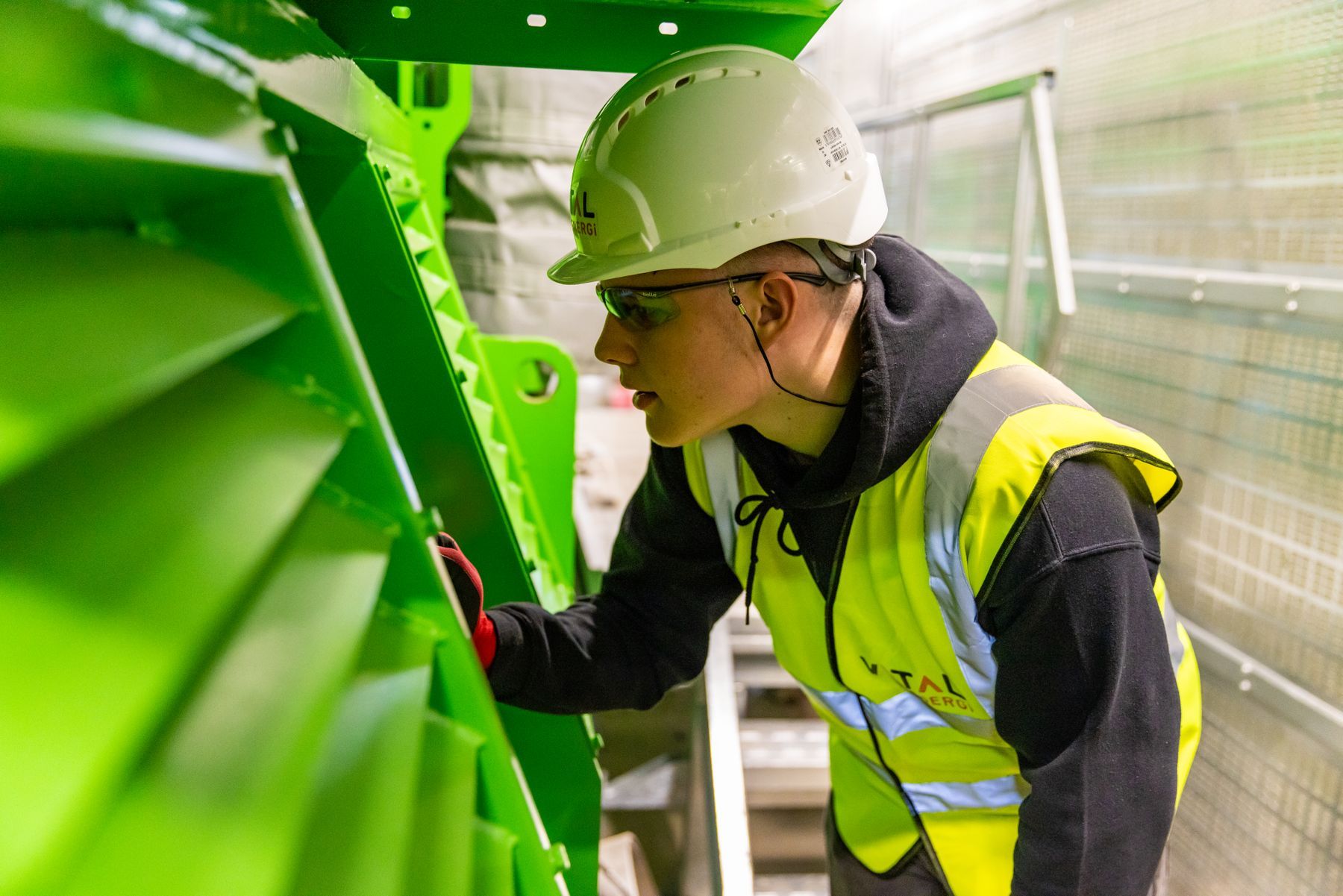
A cast film line is a long, flat machine. Melt leaves a wide T-die, lands on a chilled roll and is pulled through a train of rollers to the winder. Because the web is wide and thin, a roll that is out of parallel by a fraction of a millimeter shows up as a wrinkle, a gauge variation or a poor wound roll.
We install CPP lines and stretch film lines, including multilayer coextrusion setups. The work is the same in principle: set the frame, align the extruders to the die, bring the chill roll and haul-off parallel to it, then commission edge trim, gauge control and winding.
Simcheng lists cast film lines among its products and we are its authorized sales and service partner. We have also installed lines from other makers, so we do not depend on one design.
These are the areas where we spend most of the commissioning time.
The T-die is fitted level to the chill roll with the die lip set at the correct distance and angle. Heater zones and flex-lip or bolt adjusters are tested before any melt goes through.
The chill roll is checked for runout and parallelism, and its water circuit for even flow and temperature. Uneven roll temperature shows as hazy bands in the film.
Air knife or vacuum box, edge pinning and trim slitting are set so the web is held to the roll. Trim is routed to the granulator or reclaim system.
Contact or gap winders are aligned across the full width, and taper tension and torque are tuned so that stretch film and CPP roll up without telescoping.
Cast film lines run in a straight path, so floor flatness and available length matter more than height. We check the layout against the building, the position of columns and the route for trim and reclaim material before we place any frame.
The chill roll draws a lot of cooling water, and the vacuum or air systems at the die need clean, dry compressed air. We verify water flow, supply voltage and air quality before the first heat up so the trial is a fair test of the machine.
The main frame is levelled and the extruders are aligned to the die adapter without strain.
Chill roll, take-off and treater rolls are set parallel to the die and each other, using levels and measured diagonals.
Drives, tension loops and heater zones are tested, then the die is heated and checked for leaks.
Film is run on your grade, gauge and edge settings are tuned, and rolls are wound and checked before handover.
Yes. Both are cast processes, though stretch film lines add pre-stretch or cling control and different winder settings. We commission to the machine maker procedure for the specific line.
We have installed lines from several makers and we can work from the supplied drawings. We are authorized sales and service partner for Simcheng and Jinming.
Typical issues are chill roll parallelism, uneven cooling water, air in the vacuum box and winder tension set too high for thin gauges. All are corrected during commissioning.
We are authorized for Frigosystem, so a matched chiller can be supplied and installed with the line.
Partner brands
Tell us what you're moving or installing. We reply within one business day with next steps and a clear, written scope.