Roller parallelism
Every idler and the lay-on or contact roll are measured against the machine datum. A roller out of parallel causes wrinkles and one-sided tension.
We install and commission slitter rewinders for film, foil, paper and laminates, and set them up to wind straight, tight-edged reels.
A slitter rewinder is the last step before material leaves the converting plant, so any flaw is wound into the product. Telescoped reels, wavy edges and loose cores nearly always come from alignment or tension setup rather than the web itself. The machine has to be square and level, and its rollers parallel, before tension tuning has any meaning.
We unload and place the machine, level the frame, check unwind and rewind shafts, and align the web path from the unwind to the rewind. Then we commission the drives, tension and taper control, knife positioning and safety guarding, and run test slits on your material.
We have installed lines from makers such as Bobst, Nordmeccanica and Comexi, and we also install slitters as standalone machines.
These checks set the quality of every reel the machine produces.
Every idler and the lay-on or contact roll are measured against the machine datum. A roller out of parallel causes wrinkles and one-sided tension.
Air shafts and chucks are inspected for runout and inflation pressure. Core fit and torque transfer are tested so cores do not slip while winding.
Razor, shear or crush knife holders are set square to the web and checked for repeatable positioning. Dust and trim extraction is connected.
Load cell zero and span are calibrated, taper profiles set and the web guide centered, so reels wind hard enough without crushing the core.
The usual problems are a frame not level after transport, load cells not zeroed with the web path threaded, air shafts leaking pressure, and untested emergency stops or light curtains. A slitter can be almost right and still produce bad reels, so we wind real material and inspect edges, hardness and reel face before handover.
Safety receives separate attention because operators work close to the rewind. Guards, interlocks and e-stop circuits are tested one by one and recorded.
The machine is positioned on the layout, leveled and anchored to the floor.
Rollers, shafts and web guide are aligned to the datum and to each other.
Drives, tension and taper loops and safety circuits are connected and tested without material.
We slit your material at several widths and speeds, adjust winding, and train operators on set-up and reel changes.
Yes. We install them on their own or as part of a printing, laminating or extrusion line.
Usually too little taper tension, a roller out of parallel, or core slip. We check all three when commissioning.
Yes. We dismantle, move and re-erect used slitters, then align and test them as if new.
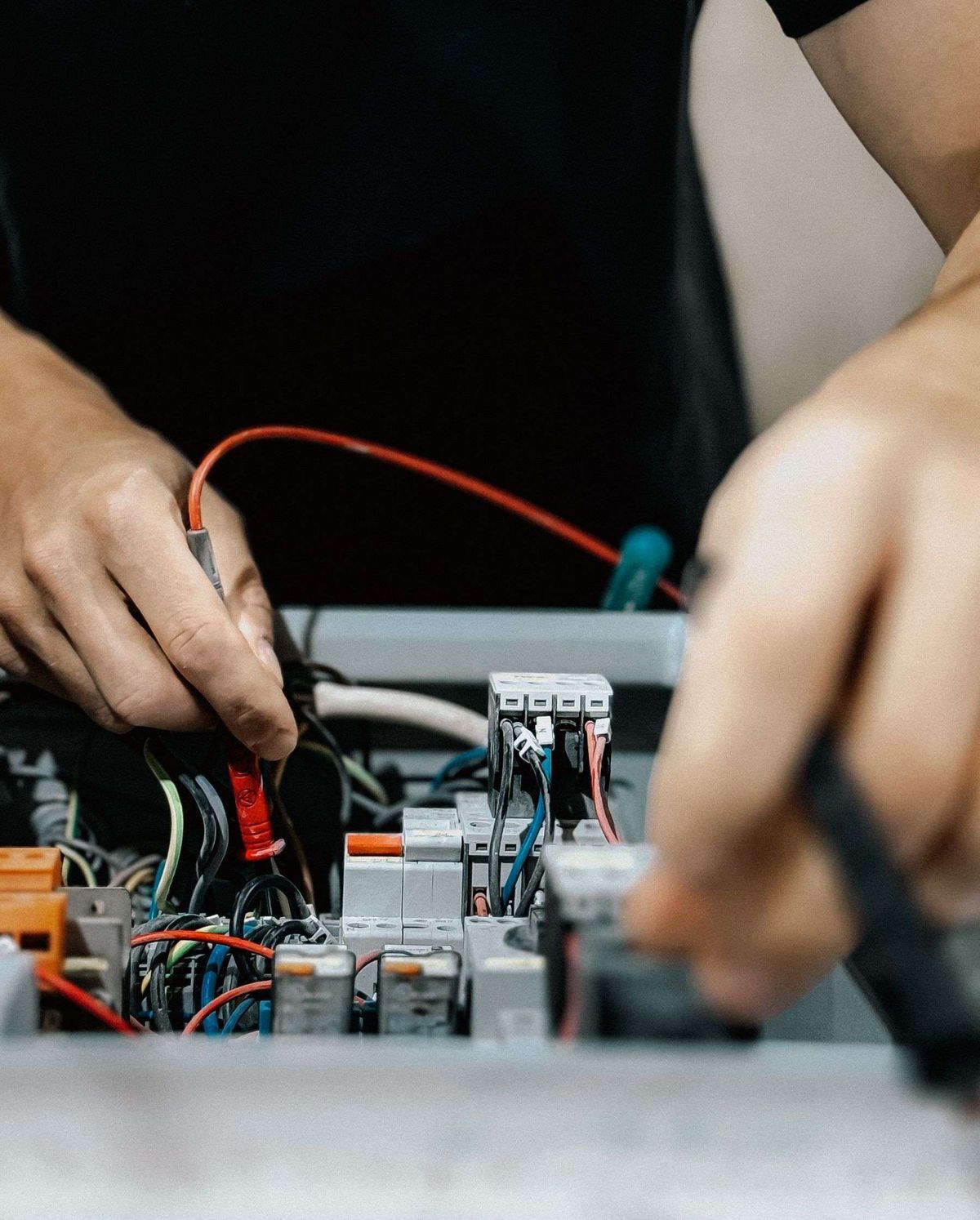
Yes. We cover electrical panels, wiring and automation as part of the installation.
Partner brands
Tell us what you're moving or installing. We reply within one business day with next steps and a clear, written scope.